
Investing in cryptocurrencies can be a thrilling venture with high potential rewards, but it’s essential to be well-informed before diving in. Whether you are a seasoned investor or new to the world of digital assets, understanding the landscape in the United States for 2024 is crucial. This guide will highlight the necessary insights you need to successfully navigate the crypto market.
The realm of cryptocurrencies is constantly evolving, and keeping abreast of regulations, market trends, and security measures is more important than ever. With a solid understanding of these factors, you can make smarter investment decisions and mitigate potential risks.
Understanding the cryptocurrency market in 2024
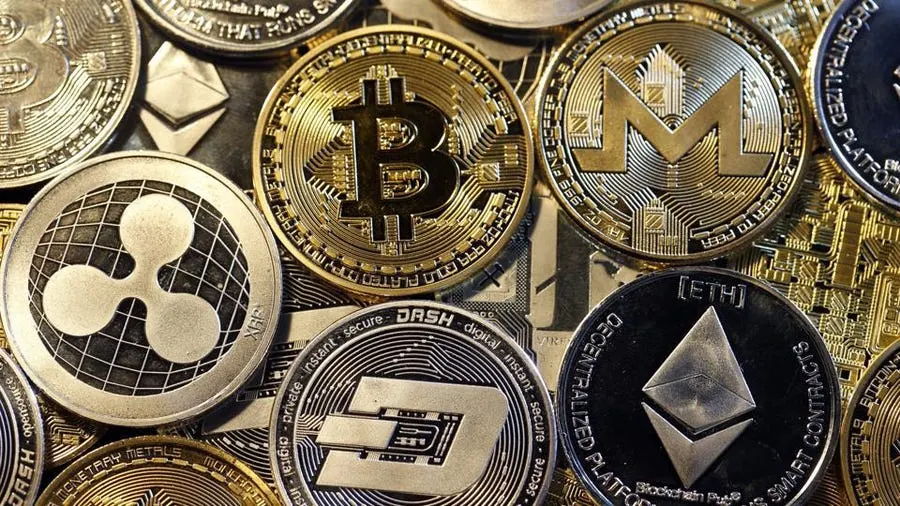
As we step into 2024, the crypto landscape continues to transform, influenced by technological advancements and regulatory shifts. One of the most significant aspects you need to know is how the market operates and the key players involved.
Firstly, diversification remains a fundamental strategy. Bitcoin, Ethereum, and other altcoins each have unique attributes and varying levels of risk and reward. By spreading your investments across different types of cryptocurrencies, you can protect yourself from market volatility that might affect a specific coin.
Secondly, staying updated with market news and trends is essential. Crypto markets are highly dependent on global events, technological breakthroughs, and regulatory decisions. Reliable news sources and financial analysis can provide insights that guide your investment strategy.
Regulatory landscape
In 2024, the regulatory environment for cryptocurrencies in the United States is a critical factor for investors to consider. Governments and regulatory bodies are continuously adapting laws to better understand and control the digital asset market.
It’s important to follow updates from the Securities and Exchange Commission (SEC) and other regulatory bodies. These organizations set the guidelines that impact how cryptocurrencies can be traded, taxed, and legally used. Compliance with regulations not only ensures legal protection but also fosters a more stable market environment.
Additionally, understanding tax implications is vital. The IRS treats digital assets as property, which has specific tax consequences. Proper financial planning and consultation with a tax professional can save you from legal troubles and optimize your profits.
Security measures
Security is a paramount concern for any investor dealing with digital currencies. To safeguard your investments, employing stringent security measures is essential in 2024. The decentralized nature of cryptocurrencies can make them vulnerable to attacks if not adequately protected.
Utilizing reputable crypto wallets and exchanges is crucial. Hardware wallets, in particular, are recommended for long-term storage due to their enhanced security features. When selecting an exchange, consider its history, security protocols, and user reviews.
Moreover, enabling two-factor authentication (2FA) and keeping your private keys secure are fundamental practices. Storing your keys offline and using strong, unique passwords for all accounts associated with your crypto investments can avert unauthorized access and theft.
Best practices for crypto investments
In light of the dynamic nature of the crypto market, adopting certain best practices can help you succeed. From risk management to continuous learning, these strategies can position you well in the competitive investment landscape of 2024.
One critical practice is to conduct thorough research before investing. Understanding the technology behind a cryptocurrency, its use case, and the team driving the project can provide insights into its potential longevity and profitability.
Another key practice is dollar-cost averaging. By spreading your investment over regular intervals, you can mitigate the impact of market volatility and potentially secure a better average entry price.
Risk management
Effective risk management is crucial in the unpredictable crypto market. Setting clear investment goals and limits can prevent emotional decision-making. Determine how much you are willing to invest and risk, and stick to your plan despite market fluctuations.
Diversification, as previously mentioned, plays a significant role in risk management. By investing in a range of cryptocurrencies, you reduce your exposure to the failure of any single asset. This strategy helps maintain a balanced portfolio that can withstand market turbulences.
Lastly, never invest more than you can afford to lose. The high volatility in crypto markets means that significant value changes can happen rapidly. Being prepared for these scenarios will help you manage stress and maintain a healthy financial position.
Continuous learning
The cryptocurrency market is not static; it evolves rapidly with advances in technology and shifting market dynamics. Continuous learning is therefore essential for anyone serious about crypto investments. Staying informed about new developments can provide competitive advantages and enhance your investment strategies.
Engaging with online communities, attending webinars, and reading up-to-date articles and reports can keep you at the forefront of market trends. Educational resources such as courses and certifications can also deepen your understanding and improve your decision-making skills.
Additionally, networking with other investors and participating in crypto forums can provide valuable insights and diverse perspectives. Collaborative learning can expose you to different investment strategies and help you navigate the complexities of the market.
