
The concept of the Care Economy is becoming increasingly prevalent, especially as information about health and family assistance costs continues to rise in North America. This growing economic sector is influencing how families approach their financial planning, as they navigate the intricacies of medical expenses, eldercare, and childcare. Understanding this dynamic is crucial for creating sustainable financial strategies that accommodate both current and future obligations.
With the prominence of these expenses, families must think creatively and structurally about how to balance their finances. The pressure of care-related costs can affect savings, retirement plans, and lifestyle choices, making it essential to adopt comprehensive approaches that align with personal and familial needs.
Impact of care economy on financial strategies
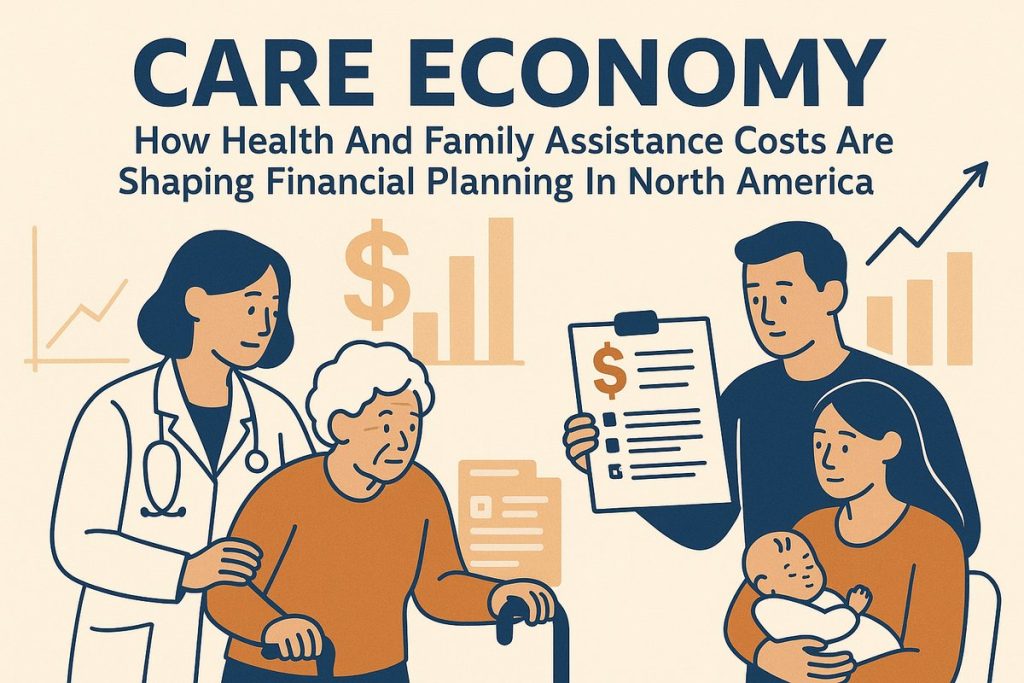
The burgeoning sector focused on caregiving is reshaping financial strategies across North America. As households grapple with the realities of medical and family support costs, they often need to reevaluate their budget allocations. This realignment impacts spending on essentials like housing and education, further underscoring the importance of strategic financial planning.
Additionally, the cultural shift towards understanding and valuing caregiving has prompted a reevaluation of work-life balance and discretionary spending. Individuals are adjusting their financial plans to accommodate new caregiving responsibilities, which may require reduced working hours or even career changes.
Strategies for balancing caregiving costs
Effectively balancing caregiving costs involves both short-term budgets and long-term financial predictions. Families may need to consider insurance alternatives, savings plans specifically for caregiving, and government assistance programs. Each of these elements can provide some relief, ensuring that the hefty burden of caregiving expenses does not undermine overall financial health.
Moreover, developing a clear understanding of personal and family expectations can aid in creating a more viable financial pathway. Open communication among family members regarding potential care needs and available resources can lead to more informed and effective planning.
Long-term effects on financial well-being
The long-term ramifications of caregiving expenses are significant. As these costs continue to rise, they can affect wealth accumulation and retirement planning, potentially reducing the financial security of future generations. Financial strategies must therefore consider not only immediate needs but also potential long-term impacts, such as inheritance expectations and ongoing care requirements.
Given these pressures, strategic financial frameworks must be implemented to ensure longevity and sustainability in financial health. This includes integrating investments that are specifically tailored to mitigate the risks associated with caregiving costs.
Practical investments and savings tactics
Implementing practical investment strategies is essential for those affected by the Care Economy. Options such as health savings accounts, long-term care insurance, and diversified investment portfolios designed to manage risk and secure returns can provide pathways to financial stability.
Additionally, seeking professional financial advice is often beneficial for navigating the complex landscape of caregiving-related expenses. Tailored advice can uncover opportunities for savings and investment while helping families plan for unforeseen costs and challenges.
The future of financial planning in light of the Care Economy
As the influence of care-related expenses grows, the future of financial planning in North America must adapt to these evolving challenges. Embracing flexibility and proactive planning can lead to improved financial resilience, ensuring that families are better equipped to handle the demands of caregiving.
Ultimately, an informed approach—fueled by accessible information—is essential for preparing families to meet the demands of caregiving while safeguarding their financial future. By acknowledging the profound impact of the Care Economy and integrating adaptable financial strategies, individuals can ensure stability and security, even amid rising caregiving costs.
