
In recent years, the transformation of payment methods in North America has been noteworthy, with innovations that have reshaped the way transactions occur. From the rise of digital currencies to the introduction of modern, instant transfer systems, the landscape of financial transactions is undergoing a seismic shift. With Pix, cryptocurrencies, and instant payments leading the charge, North America is embracing a new era of financial freedom and efficiency.
These modern developments have made transactions faster, more secure, and more convenient, meeting the needs of both businesses and consumers. This evolution signals a departure from traditional systems toward a more digitalized economy.
The journey from paper to digital
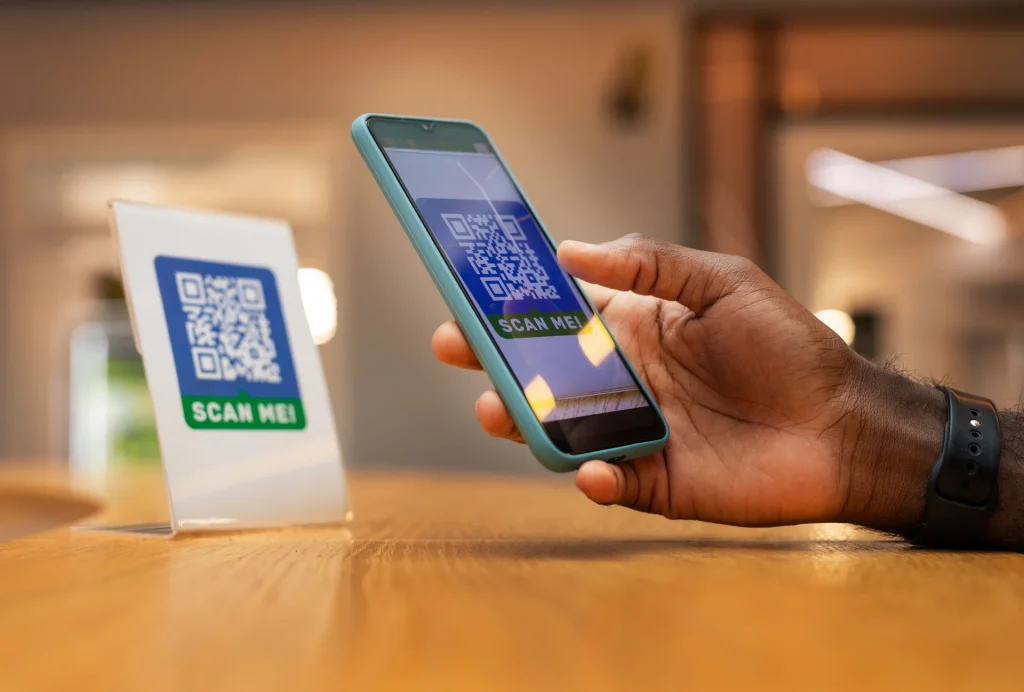
Historically, the methods of exchanging money were predominantly cash and checks, which were not only time-consuming but also risky due to fraud and theft. As technology advanced, these traditional forms began to give way to more secure and efficient methods. Credit and debit cards started becoming ubiquitous, providing a significant leap in convenience and security.
However, even with these advancements, transactions could still take days to process, and there was room for improvement. The leap towards digital transactions heralded a new era, simplifying payments and making them quicker than ever. The hunger for immediate and secure solutions drove further technological advancements, setting the stage for the introduction of innovative payment methods.
The adoption of these methods in North America was initially slow, due to concerns about security and privacy. Over time, as digital literacy increased and security measures improved, more individuals and businesses started to accept and trust these digital forms of payment.
Catalysts for change: technology and consumer demand
The digital revolution in payments can be attributed to technological advancements and a shift in consumer expectations. With the Internet becoming a staple in everyday life, there was a need for payment solutions that matched the speed and efficiency of online interactions. Consumers began demanding instant, reliable, and safe transaction methods.
Mobile technology significantly influenced this transformation, with smartphones becoming an essential part of commerce. This shift in consumer habits motivated businesses to accommodate new payment preferences, propelling the development of innovative financial technology (fintech) solutions.
Furthermore, the rise of e-commerce catalyzed the demand for digital payment methods. The convenience of online shopping required an equally convenient payment process, leading to the adoption of faster, technology-driven payment systems. This necessity for real-time payment solutions was met with initiatives such as Pix, cryptocurrencies, and instant payment systems.
The role of regulation and security
The evolution of payment methods has also been influenced by regulatory environments and the increasing need for security. Governments and financial institutions had to adapt rapidly to the changing landscape to ensure consumer protection and trust remained intact.
Regulatory frameworks have evolved to accommodate new technologies, ensuring compliance standards are met, and protecting users against fraud and breaches. Guidelines enhance the reliability of digital payments, promoting wider adoption among consumers and businesses.
Security measures have become increasingly sophisticated, using encryption and advanced verification processes to safeguard transactions. These precautions offer reassurance to users, addressing one of the major barriers to the widespread adoption of digital payment methods.
Emerging trends: embracing modern payment solutions
The introduction of Pix, cryptocurrencies, and instant payments in North America marks a significant shift towards cashless, efficient transactions. These methods cater to a growing demand for immediacy and convenience, revolutionizing the financial landscape.
Pix, a system pioneered in Brazil, has showcased how instant payment solutions can succeed. Its rapid, seamless transactions caught attention worldwide, leading to interest from North American markets. Cryptocurrencies also play a significant role, offering decentralized alternatives to traditional banking systems.
The intersection of these payment methods with mobile banking apps has created a new dynamic in the financial sector, offering unparalleled convenience and accessibility. Businesses and consumers alike are beginning to see the advantages of these systems, setting trends that will likely shape the future of payments globally.
Pix: a model for instant payments
Pix revolutionized payments in Brazil, becoming a benchmark for instant financial transactions. Its adoption has shown the potential for similar systems in North America, offering lessons and inspiration for implementation. This system allows users to transfer funds instantly, 24/7, through mobile devices, offering unparalleled convenience.
The success of Pix has encouraged North American stakeholders to consider adopting similar infrastructures, potentially redefining transaction processes in this region. This move towards adopting instant payment methods is focused on enhancing consumer satisfaction and operational efficiency, marking a new era of doing business. Its implementation can address existing inefficiencies and cater to the modern market’s demand for speed and convenience.
Cryptocurrencies: beyond speculation
Once seen primarily as speculative investments, cryptocurrencies are now finding their footing as legitimate payment options. Their decentralized nature offers a level of freedom and control absent in conventional systems, attracting a diverse range of users.
Many businesses are starting to accept cryptocurrencies as payment, recognizing the potential for lower transaction fees and global reach. This adoption signals a new chapter in commerce, where digital currencies are more than just novel investments but practical tools.
The adaptability and innovation within the cryptocurrency space continue to evolve, promising exciting possibilities for future payment solutions. As blockchain technology further integrates into everyday life, cryptocurrencies are poised to become a pivotal part of North America’s payment ecosystem.
